Digital Compliance Tools For Your Water JourneyAs water scarcity, environmental sustainability, and regulatory expectations intensify across Australia, recycled water and wastewater management have moved from niche practices to mainstream water stewardship strategies. From mining operations reusing process water to councils supplying Class A recycled water for irrigation, and industrial sites treating and safely discharging wastewater, the ability to close the water loop safely and responsibly is increasingly essential. However, recycled and wastewater schemes bring unique risks – microbiological and chemical hazards, community and environmental concerns, and complex regulatory requirements that vary by state and territory. This article explores the principles of safe recycled and wastewater management in Australia, the regulatory frameworks that govern these schemes, and how specialized consulting services help organizations design, operate, and optimize recycled water programs that protect health, comply with regulations, and support sustainability goals.
What Are Recycled Water and Wastewater Management?
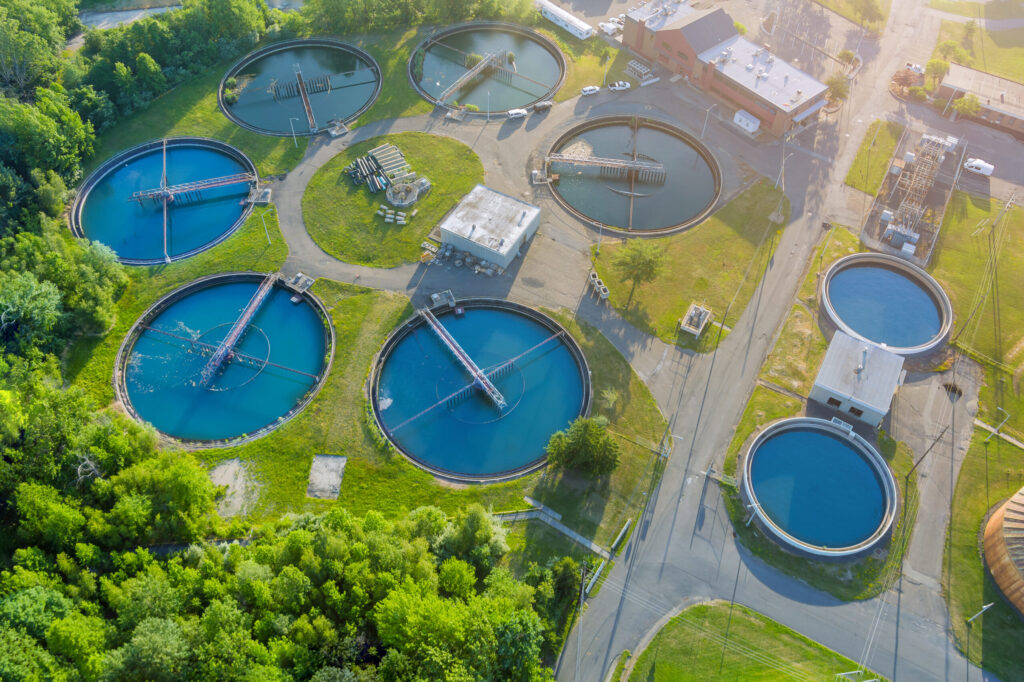
Wastewater management refers to the collection, treatment, and safe disposal or reuse of water that has been used and contaminated by domestic, industrial, or commercial activities. Recycled water (also called reclaimed water or water reuse) is wastewater that has been treated to a quality suitable for beneficial reuse – such as irrigation, industrial processes, toilet flushing, or even potable water augmentation in advanced schemes. The goal is to reduce demand on freshwater sources, minimize environmental discharge impacts, and contribute to circular economy principles in water management.
In Australia, recycled water schemes are increasingly common, driven by water scarcity (especially in southern and western regions), environmental discharge limits, and corporate sustainability commitments. However, the safety and acceptance of recycled water depends on rigorous risk assessment, robust treatment barriers, and transparent governance to ensure public health and environmental protection.
Regulatory Frameworks for Recycled Water in Australia
Recycled water regulation in Australia operates at both national and state/territory levels:
- – National Guidelines: The Australian Guidelines for Water Recycling (AGWR), developed by the National Water Quality Management Strategy, provide a nationally consistent risk-based framework for managing health and environmental risks in recycled water schemes. The Guidelines are based on a 12-element risk management framework (similar to the ADWG for drinking water), covering system assessment, hazard identification, control measures, monitoring, and continuous improvement.
- – State/Territory Requirements: Each state and territory has specific regulations, approval processes, and classification systems for recycled water schemes. For example:
- – Victoria: Schemes are classified (Class A, B, C, D) based on water quality and permitted uses. Class A recycled water is the highest quality, suitable for unrestricted irrigation and other high-contact uses, and requires stringent treatment and monitoring.
- – Western Australia: The Department of Water and Environmental Regulation (DWER) regulates recycled water schemes, requiring approval, monitoring, and reporting aligned with state guidelines.
- – New South Wales, Queensland, and others: Each jurisdiction has approval pathways, water quality criteria, and scheme-specific conditions that operators must meet.
Compliance with these frameworks is not optional – it’s a legal obligation for recycled water scheme operators. Failure to comply can result in enforcement action, scheme closure, or public health incidents that damage reputation and community trust.
Key Risks in Recycled Water and Wastewater Schemes
Recycled and wastewater management involves managing a range of risks:
- 1. Microbiological Hazards
Pathogens (bacteria, viruses, protozoa) are the primary health concern in recycled water. Even after treatment, recycled water may contain residual pathogens if treatment processes fail or are inadequate. Common pathogens of concern include E. coli, Salmonella, enteric viruses, Cryptosporidium, and Giardia. Exposure pathways include ingestion (through food crops irrigated with recycled water), inhalation (aerosols from irrigation or cooling towers), and skin contact.
- 2. Chemical and Toxicological Risks
Wastewater can contain chemical contaminants – heavy metals, nutrients (nitrogen, phosphorus), salts, organic compounds, pharmaceuticals, and personal care products. Depending on the source and treatment, these chemicals may pose risks to human health (if recycled water is used in food production or potable systems) or the environment (if discharged or used for irrigation, causing soil or groundwater contamination).
- 3. Treatment Performance and Reliability
Recycled water safety depends on effective, reliable treatment. Treatment barriers might include screening, biological treatment, filtration, disinfection (chlorination, UV), and advanced processes like reverse osmosis or ozonation for high-quality reuse. If treatment processes fail (due to equipment malfunction, operator error, or process upsets), water quality can deteriorate rapidly, posing health or environmental risks.
- 4. Community and Stakeholder Acceptance
Public perception and acceptance of recycled water can be a challenge, especially for schemes involving food crops, public parks, or indirect potable reuse. Transparent risk communication, community engagement, and demonstrated commitment to safety are critical for building trust.
Water Reuse Risk Assessment: The Foundation of Safe Schemes
A comprehensive water reuse risk assessment is the foundation of any safe recycled water or wastewater management program. The risk assessment process typically includes:
- 1. Define the Scheme and Intended Uses
Clearly describe the wastewater source (domestic, industrial, agricultural), the treatment process, the quality of recycled water produced, and the intended uses (e.g., irrigation of parks, cooling tower makeup, toilet flushing, industrial process water). Each use has different exposure pathways and therefore different risk profiles.
- 2. Identify Hazards and Hazardous Events
Systematically identify potential hazards at each stage – from wastewater collection, through treatment, storage, and distribution, to end use. Hazards might include pathogen contamination, chemical spills, cross-connection with potable water, treatment process failures, or inadequate disinfection.
- 3. Assess Risks and Determine Control Measures
Evaluate the likelihood and consequence of each hazardous event. Identify treatment barriers and operational controls needed to reduce risk to acceptable levels. For example, multiple treatment barriers (e.g., biological treatment + filtration + UV disinfection + chlorination) provide redundancy so that if one barrier fails, others still protect water quality. Operational controls include maintenance schedules, operator training, online monitoring, and contingency plans.
- 4. Establish Monitoring and Verification Programs
Define critical control points (CCPs) – stages in the treatment or distribution process where control is essential to prevent or eliminate a hazard. Establish monitoring programs to verify that CCPs are performing as intended (e.g., daily turbidity checks after filtration, chlorine residual monitoring, periodic microbial testing).
- 5. Document the Risk Management Plan
Prepare a Recycled Water Quality Management Plan (or equivalent) that documents the risk assessment, treatment barriers, monitoring program, roles and responsibilities, incident response protocols, and continuous improvement processes. This plan is typically required for regulatory approval and demonstrates due diligence.
Strong recycled water governance also benefits from clear board-level oversight and role clarity (See Water Governance Frameworks and Board-Level Advisory – Building Accountability and Assurance) and periodic independent review (See Independent Water Audits and Gap Analysis – Demonstrating Compliance with Confidence).
Practical Services for Recycled and Wastewater Management
Specialist water consultancies provide a range of services to support safe, compliant recycled and wastewater schemes:
Recycled Water Scheme Design and Approval Support
For new schemes or expansions, consultants assist with feasibility studies, treatment technology selection, risk assessment, and preparation of regulatory submissions to state/territory authorities. This includes demonstrating that the proposed scheme meets water quality criteria, has adequate treatment barriers, and includes robust monitoring and governance.
Wastewater Treatment Performance Reviews
For existing schemes, consultants review treatment performance, identify optimization opportunities, and assess whether current operations meet approval conditions and water quality targets. This might include process audits, benchmarking against best practice, and recommendations for upgrades or operational changes.
Monitoring Program Design and Data Analytics
Consultants help design fit-for-purpose monitoring programs – specifying what to monitor, where, how often, and using what methods. They can also provide data analytics services to interpret monitoring results, identify trends, and support early detection of issues.
For multi-site schemes, digital tasking and evidence capture can also reduce missed monitoring and speed up reporting (See Digital Water Compliance Solutions – Streamlining Monitoring, Reporting, and Assurance).
Compliance Audits and Gap Analysis
Independent audits against the 12-element risk management framework and scheme approval conditions help identify compliance gaps and build confidence that the scheme is being managed as intended.
Incident Investigation and Response
When water quality exceedances or treatment failures occur, consultants provide technical expertise to investigate root causes, recommend immediate corrective actions, and update risk management plans to prevent recurrence.
Benefits Across Sectors
Effective recycled and wastewater management delivers benefits across multiple sectors:
- – Mining & Industrial: Reduces freshwater demand, manages environmental discharge obligations, and supports water stewardship commitments. Many mining operations reuse process water for dust suppression, ore processing, or potable supply augmentation, reducing reliance on limited groundwater or surface water sources.
- – Agriculture: Enables irrigation with treated wastewater, supporting food production while conserving freshwater and managing nutrient loads (treated wastewater often contains nitrogen and phosphorus, reducing fertilizer needs).
- – Municipal & Government: Provides alternative water sources for non-potable uses (parks, ovals, street cleaning) and helps councils and utilities meet water conservation targets and manage wastewater discharge limits.
- – Commercial & Institutional: Reduces potable water demand for cooling towers, toilet flushing, and landscaping, supporting sustainability goals and reducing operational costs.
Alignment with the Ecosafe Water Journey and Foundational Pillars
Recycled water and wastewater management services align with the Assessment, Intervention, and Stewardship stages of the Ecosafe Water Journey – identifying risks, implementing practical controls, and ensuring ongoing compliance and optimization. They also reflect Ecosafe’s commitment to positive outcomes for people, planet, and profit – protecting public health, reducing environmental impacts, and supporting sustainable, cost-effective water use. By helping organizations close the loop safely and responsibly, these services contribute to prospering others externally (communities, ecosystems) and positively influencing industry through leadership in water stewardship.
Conclusion
Recycled water and wastewater management are essential strategies for sustainable water use in Australia. Through rigorous risk assessment, robust treatment barriers, and transparent governance, organizations can safely reuse water, reduce environmental impacts, and meet regulatory obligations. Independent consulting expertise ensures schemes are designed and operated to best practice standards, providing confidence to regulators, communities, and stakeholders that water is being managed responsibly. Whether you are planning a new recycled water scheme or optimizing an existing wastewater operation, specialist advice grounded in risk management principles and regulatory knowledge is key to achieving safe, compliant, and sustainable outcomes.