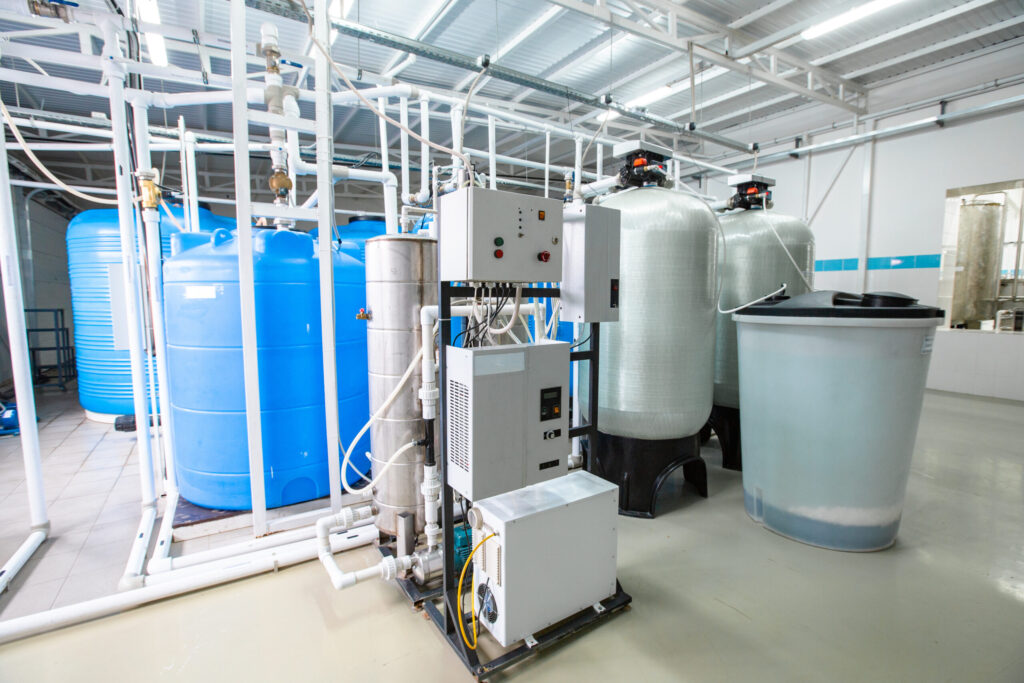
Water infrastructure is a critical asset for any organization – from hospitals and aged care facilities to mines, commercial buildings, and government utilities. Yet many organizations struggle to balance aging infrastructure, limited condition data, increasing regulatory expectations, and budget constraints. Water infrastructure asset management provides a structured approach to understanding the health of your water systems, prioritizing investment, and ensuring reliable performance throughout the asset lifecycle. In Australia, effective asset management is not just good practice – it’s embedded in national frameworks like the Australian Drinking Water Guidelines (ADWG) (Incorporating the June 2025 update to the ADWG), which explicitly call for asset management planning as Element 11 of the 12-element risk management framework. This article explores how specialized water infrastructure asset management services help organizations optimize performance, manage risk, and achieve long-term compliance across diverse sectors.
What is Water Infrastructure Asset Management?
Water infrastructure asset management is the systematic process of operating, maintaining, upgrading, and disposing of water assets in a cost-effective manner while managing risk and meeting service and regulatory obligations. It encompasses the full lifecycle of water infrastructure – from initial planning and design, through construction and commissioning, to ongoing operation, maintenance, renewal, and eventual decommissioning. For water systems, this means managing:
- Potable water supply systems – source works, treatment plants, storage tanks, pumping stations, distribution networks, and end-point fixtures
- Wastewater and recycled water systems – collection networks, treatment facilities, storage, and reuse infrastructure
- Cooling towers and HVAC water systems – critical for risk management under AS/NZS 3666 standards
- Specialized medical and process water systems – particularly in healthcare and industrial settings
The goal is to tie performance, reliability, and compliance together so that assets deliver safe, efficient water services while minimizing lifecycle costs and risks.
Why Water Infrastructure Asset Management Matters
Across Australia, water infrastructure is under pressure. Aging networks, deferred maintenance, climate variability, and evolving regulatory standards create a complex operating environment. Without a structured asset management approach, organizations face:
- Increased failure risk: Unplanned breakdowns, contamination events, or supply interruptions due to aging or poorly maintained infrastructure
- Compliance gaps: Difficulty demonstrating due diligence to regulators, especially under the ADWG’s requirement for asset knowledge and management planning
- Budget uncertainty: Reactive maintenance and emergency repairs are costlier than planned, risk-based interventions
- Inefficient resource allocation: Without asset criticality assessments, investment may not be directed where it delivers the greatest risk reduction
Effective asset management addresses these challenges by providing a clear picture of infrastructure condition, performance trends, and future needs. It enables organizations to make evidence-based decisions about where to invest limited resources to achieve the best outcomes for safety, reliability, and compliance.
Core Services in Water Infrastructure Asset Management
Specialized water infrastructure asset management consultancies provide a range of services designed to build asset knowledge, assess health and criticality, and develop strategic lifecycle plans:
1. System Health Audits and Gap Analysis
A system health audit is a comprehensive review of your water infrastructure to assess current condition, performance, and compliance with relevant standards. The audit typically includes:
- – Physical inspection of water assets (tanks, treatment units, pipework, valves, outlets)
- – Review of operational data (water quality monitoring results, maintenance records, incident logs)
- – Assessment against regulatory requirements (ADWG, state/territory guidelines, industry standards like AS/NZS 3666 for cooling systems)
- – Identification of gaps – where assets or management practices fall short of good practice or compliance obligations
Gap analysis helps prioritize improvement actions. For example, an audit might reveal that a hospital’s hot water system lacks adequate temperature monitoring (a gap in ADWG Element 5: operational monitoring), or that a mine site’s water treatment plant has no documented asset replacement plan (a gap in Element 11: asset management). The output is a clear, actionable improvement register that guides future investment.
2. Asset Criticality Assessment
Not all water assets carry the same risk. Asset criticality assessment is the process of identifying which assets are most important to safe water supply and service continuity. Criticality is typically evaluated based on:
- – Consequence of failure: What happens if this asset fails? (e.g., hospital water supply interruption vs. garden irrigation failure)
- – Likelihood of failure: Based on age, condition, maintenance history, and operating environment
- – Strategic importance: Assets that support vulnerable populations (hospitals, aged care), high-value operations (mines, industrial plants), or regulatory obligations
By classifying assets into criticality tiers (e.g., critical, high, medium, low), organizations can prioritize maintenance, monitoring, and replacement activities. Critical assets receive more frequent inspection, redundancy planning, and proactive replacement, while lower-criticality assets can be run-to-failure with minimal risk. This risk-based approach optimizes resource allocation and ensures that effort is focused where it matters most for safety and compliance.
3. Lifecycle Strategies and Renewal Planning
Effective water infrastructure asset management requires a long-term view. Lifecycle strategies outline how assets will be managed from acquisition through to disposal, including:
- – Maintenance strategies: Preventive, predictive, and corrective maintenance schedules tailored to asset type and criticality
- – Performance monitoring: Key performance indicators (KPIs) for asset condition, reliability, and water quality
- – Renewal and replacement planning: Forecasting when assets will reach end-of-life and budgeting for timely replacement or upgrade
- – Risk mitigation measures: Controls to manage risks during the asset’s operational life (e.g., corrosion management, redundancy, emergency response plans)
Lifecycle planning provides a roadmap for capital and operational expenditure over 5, 10, or 20+ years, enabling informed budgeting and avoiding crisis-driven spending. It also supports compliance with regulatory expectations for forward planning and continuous improvement under frameworks like the ADWG.
4. Integration with Water Risk Management Plans
Asset management does not exist in isolation – it must be integrated with broader water risk management programs. A robust Water Risk Management Plan (WRMP) or Water Safety Plan (WSP) will identify asset-related risks (e.g., aging pipes prone to contamination, inadequate treatment capacity) and specify asset management actions as control measures. Conversely, asset management plans should reference water quality objectives and regulatory obligations to ensure infrastructure decisions support safe water outcomes. This integration ensures that performance, reliability, and compliance are considered together, not as competing priorities.
For organisations managing complex buildings, this integration typically connects infrastructure decisions with day-to-day controls at outlets (See End-Point Water Management and Sampling – Managing Risk at the Outlet) and with governance and assurance pathways (See Water Governance Frameworks and Board-Level Advisory – Building Accountability and Assurance).
Benefits Across Sectors
Water infrastructure asset management delivers value across diverse sectors:
- – Healthcare & Aged Care: Ensures critical water systems (hot water, medical water, cooling towers) are reliable and compliant with health regulations and AS/NZS 5369 standards for medical device reprocessing, reducing infection risk and supporting accreditation (See Healthcare Water Quality and AS/NZS 5369 – Practical Compliance and Patient Safety and Opportunistic Pathogen Control Beyond Legionella – Evidence-Based Options for Complex Water Systems).
- – Healthcare & Aged Care: Ensures critical water systems (hot water, medical water, cooling towers) are reliable and compliant with health regulations and AS/NZS 5369:2023 (as amended 2026) standards for medical device reprocessing, reducing infection risk and supporting accreditation (See Healthcare Water Quality and AS/NZS 5369:2023 (as amended 2026) – Practical Compliance and Patient Safety and Opportunistic Pathogen Control Beyond Legionella – Evidence-Based Options for Complex Water Systems).
- – Government & Utilities: Provides the asset knowledge and planning required under regulatory frameworks (ADWG, state/territory water supply acts) and supports transparent reporting to communities and regulators.
- – Commercial Buildings: Optimizes lifecycle costs for building water systems (domestic hot and cold water, cooling towers, fire services) while meeting WorkSafe and AS/NZS 3666 compliance obligations.
Alignment with the Ecosafe Water Journey
Water infrastructure asset management services align with multiple stages of the Ecosafe Water Journey:
- – Discovery: Understanding what assets you have, their condition, and their role in water safety
- – Assessment: Conducting system health audits and criticality assessments to identify risks and gaps
- – Foundations: Developing lifecycle strategies, renewal plans, and integrating asset management into water governance frameworks
- – Stewardship: Ongoing performance monitoring, continuous improvement, and adaptive management as assets age and conditions change
By engaging independent asset management specialists, organizations build the asset knowledge and strategic planning capability needed to sustain safe, reliable water systems over decades. This long-term perspective supports building great and enduring companies – one of Ecosafe’s foundational pillars – by ensuring water infrastructure remains fit-for-purpose and resilient to future challenges.
Conclusion
Water infrastructure asset management is fundamental to delivering safe, reliable water services and demonstrating regulatory compliance. Through system health audits, asset criticality assessments, and strategic lifecycle planning, organizations can optimize infrastructure performance, prioritize investment, and reduce risk. Whether you operate a hospital, a mine site, a government utility, or a commercial facility, structured asset management ensures your water infrastructure supports your mission and protects public health for the long term. Independent expertise in water infrastructure asset management provides the objectivity, technical rigor, and regulatory knowledge needed to navigate complex asset challenges with confidence.